Статьи
What Determines the Overall Cost of Increasing Steam Levels
Published: 25.11.2026
Anyone who has participated in a seasonal Steam sale knows the sudden rush of watching their profile level climb. Badge crafting turns a handful of digital trading cards into a conspicuous number next to a username. Yet, once the sale ends and the easy card drops dry up, continuing that ascent becomes a deliberate financial exercise. There is no flat rate for advancing a Steam level. The overall cost fluctuates based on a web of market variables, platform mechanics, and personal strategy.
The Escalating Demand for Experience Points
The most fundamental driver of cost is the platform’s own experience point scaling—a mechanic that quietly penalises late-game ambition. Reaching level 10 requires a total of 1,000 XP. Advancing from level 10 to 20 demands 2,000 XP. By the time an account reaches level 50, each subsequent level requires 500 XP, and at level 100, each level demands 1,100 XP. Because a standard crafted badge yields exactly 100 XP, the number of badges required per level escalates dramatically. For background, see When Paying for Steam Leveling Makes More Sense Than Crafting.
| Level Range | XP Required per Level | Standard Badges Needed |
|---|---|---|
| 0 to 10 | 100 | 1 |
| 10 to 20 | 200 | 2 |
| 20 to 30 | 300 | 3 |
| 30 to 40 | 400 | 4 |
| 40 to 50 | 500 | 5 |
| 50 to 60 | 600 | 6 |
| 90 to 100 | 1,000 | 10 |
| 100 to 110 | 1,100 | 11 |
A player moving from level 10 to 11 needs just one badge; a player moving from level 100 to 101 needs eleven. Consequently, the baseline cost of a single level increase is never static—it compounds the higher you climb.
The Market Value of Trading Cards
Since badges are assembled from trading cards, the community market dictates the day-to-day cost of levelling. Every card has a price determined by supply and demand. A wildly popular game will flood the market with cards, driving prices down to a few cents each. Obscure or older games with fewer active players may have scarce cards, pushing prices higher. To craft a badge, a player must acquire a complete set—typically five to eight cards. If the average card in a set costs $0.10, the badge costs roughly $0.50 to $0.80, plus fees. Finding sets where all cards sit at the market floor price is the cornerstone of budget levelling.

The Burden of Transaction Fees
Steam applies a transaction fee to every Community Market purchase. This fee comprises a Steam platform cut and a game-specific developer cut, typically totalling 15%. When a buyer purchases a card listed for $0.10, they actually pay $0.12 at checkout. While two cents seems negligible, levelling up requires hundreds or thousands of individual card purchases. If an account needs 5,000 cards to reach a target level, that 15% surcharge adds a substantial premium to the overall expenditure. The fee structure ensures that the visible list price of a card never reflects the actual cost withdrawn from a user's wallet.
Game Acquisition Versus Direct Card Purchase
Players must decide whether to buy games to earn card drops organically, or to bypass game ownership entirely and buy cards on the market. Purchasing cheap bundled games once provided a trickle of cards that could offset market purchases. However, a game must reach a specified price tier in the Steam store to be eligible for card drops at all, closing the loophole of buying penny games for drops. Free-to-play games operate under an even stricter gate, requiring a minimum spend threshold in their microtransaction store before a single card will drop.
Even for eligible games, the cost of the game rarely equals the market value of the cards it drops. Buying a $10 game that drops four cards worth $0.15 each is a poor investment if the sole goal is levelling. Direct market purchases are almost always more efficient for pure XP acquisition.
Foil Badges and the Rarity Premium
For those seeking variety, foil badges present an expensive detour. Foil cards are rare drops—typically appearing in roughly one per hundred standard card drops. Consequently, foil cards cost significantly more than their standard counterparts, sometimes ten or twenty times the price. Crucially, a foil badge grants the same 100 XP as a standard badge. The only tangible difference is a separate badge image on the profile and a unique profile background. From a strict cost-per-XP perspective, foil badges are highly inefficient. They exist for aesthetic prestige, and pursuing them will drastically inflate the cost of any level increase.
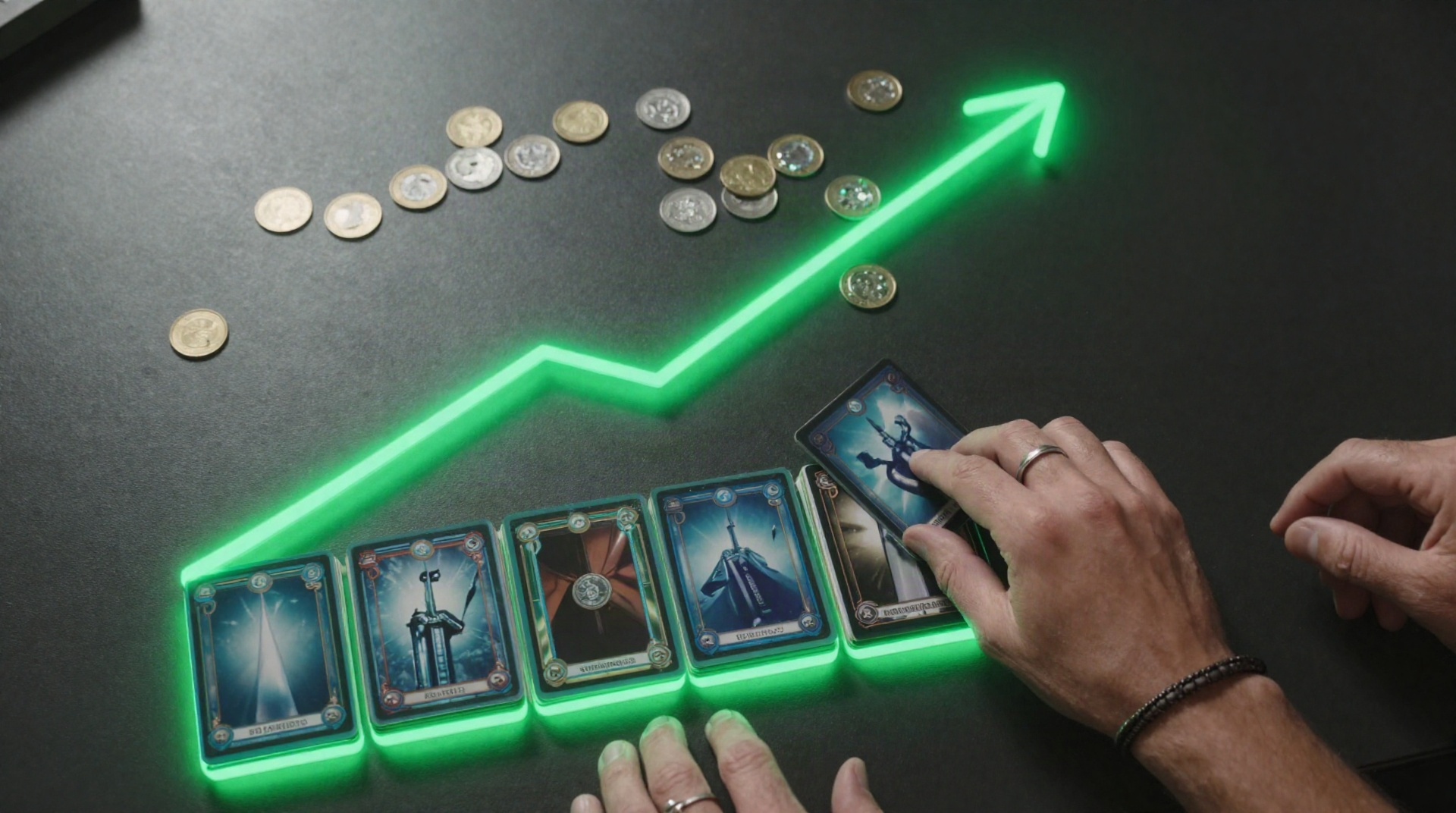
It is worth noting that a single game can yield a maximum of six badges: five standard levels and one foil level. This caps the XP contribution of any individual game at 600 XP, forcing players dedicated to extreme levels to continually seek out new, cheap card sets rather than relying on a small library of favourite games.
The Hidden Economy of Time
Cost is not purely monetary. Earning card drops requires launching a game and leaving it running until the drop timer expires—usually two hours for the first batch. For accounts with large libraries, idling software can automate this process, but it still demands time and electrical power. A player with 500 eligible games must idle for hundreds of hours to exhaust their drops. Buying cards on the market converts this time cost into a financial one. The decision between idling and buying hinges on how a player values their own time relative to their disposable income.
Strategic Approaches to Cost Optimisation
Minimising the cost of increasing Steam levels requires a methodical approach. The most effective strategy involves targeting games with the lowest possible card set cost. Tools and websites outside the Steam ecosystem track the cheapest card sets available on the market, updating in real time. By purchasing the absolute cheapest sets, players can drastically reduce the cost per badge.
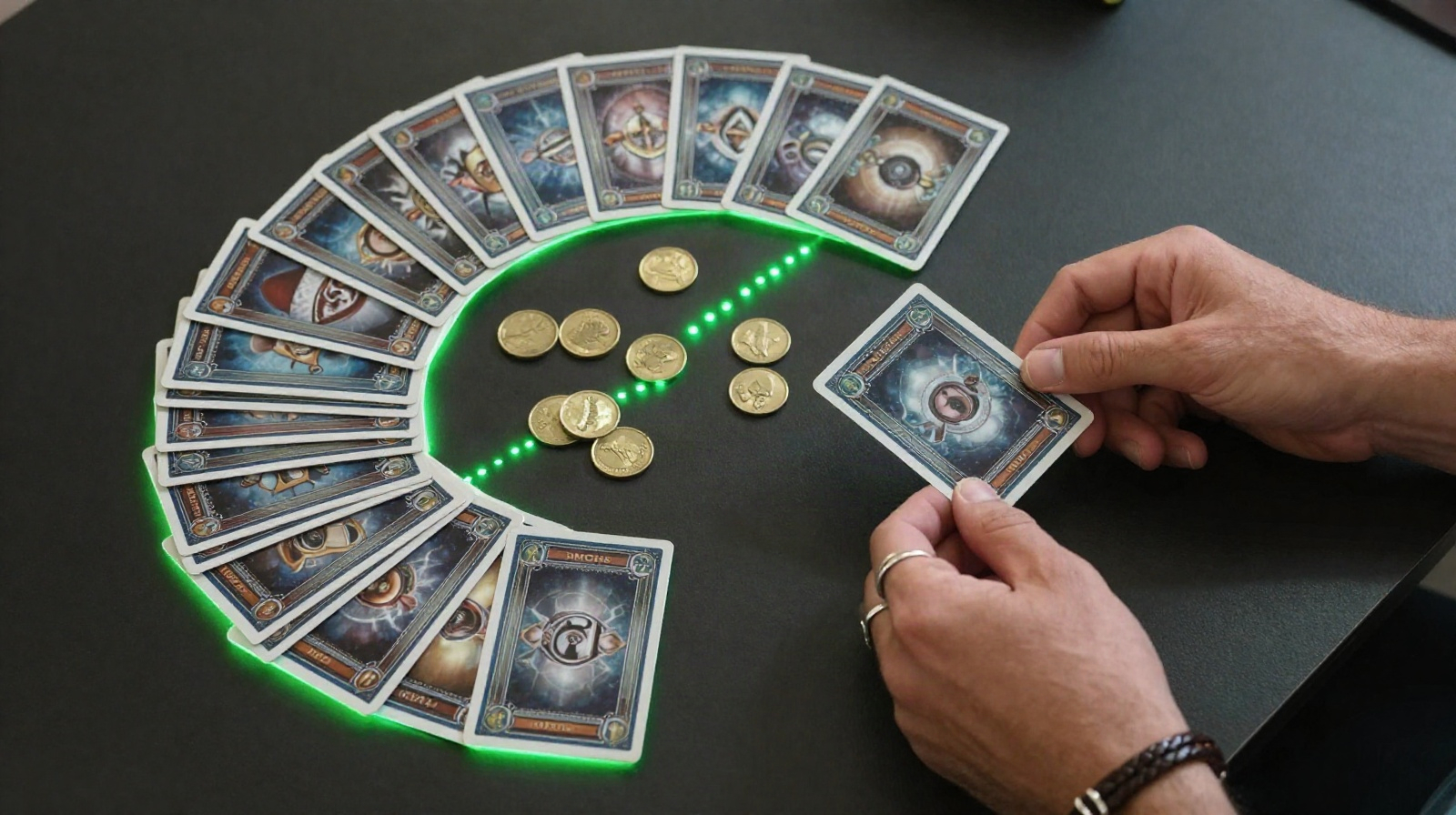
Another tactic involves patience. During major seasonal sales, a surge of users return to Steam, craft badges from long-dormant card collections, and sell their surplus cards. This temporary increase in supply often depresses card prices across the market. Waiting for a sale to bulk-purchase cards can yield meaningful savings over buying at random intervals.
Finally, players should avoid the temptation of completing specific game badges unless they genuinely want the associated profile background or emoticon. The market does not care about personal attachment; it only cares about the cheapest route to 100 XP. Treating the levelling process as a bulk commodity purchase—buying whatever is cheapest at that exact moment—is the surest way to control the overall cost.
A Fluid Equation
Ultimately, the cost of increasing a Steam level is a fluid equation. It is determined by the escalating XP requirements of the platform, the real-time supply and demand of the community market, the unavoidable friction of transaction fees, and the strategic choices of the player. There is no shortcut to a high-level profile, but understanding these variables ensures that every penny spent yields the maximum possible return in experience points.